
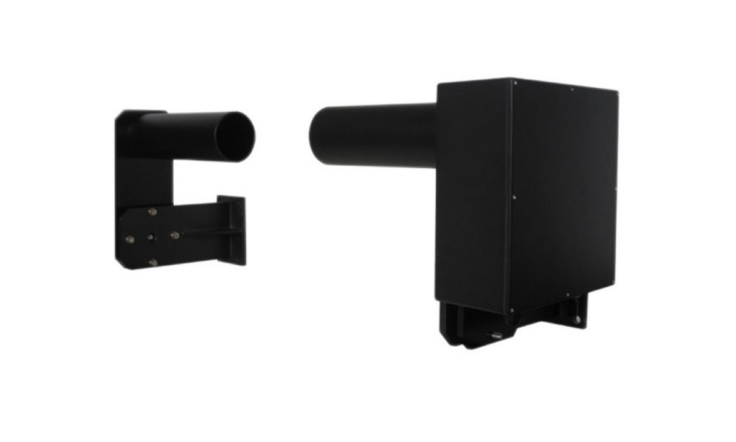
Tunnels are strategic transportation points where air quality and visibility are of vital importance due to their limited volume and enclosed structures. Exhaust gases and particulates from vehicle traffic restrict visibility inside the tunnel if not evacuated in a timely manner, endangering the lives of both drivers and maintenance personnel.
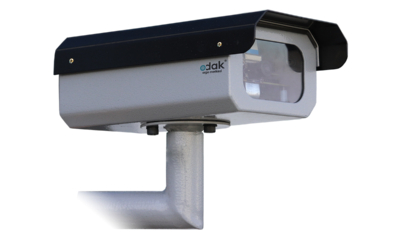
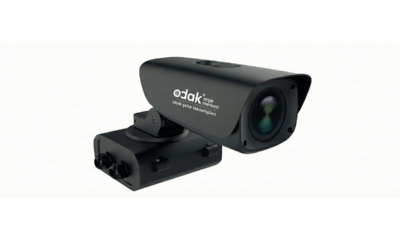
This is an advanced sensor designed to monitor visibility (VI) and carbon monoxide (CO) data in tunnels in real time and in situ. By transmitting the critical data it collects to traffic control and management centers, it provides a reliable decision support mechanism for optimizing tunnel ventilation systems and ensuring road safety.
Key Features and How It Works
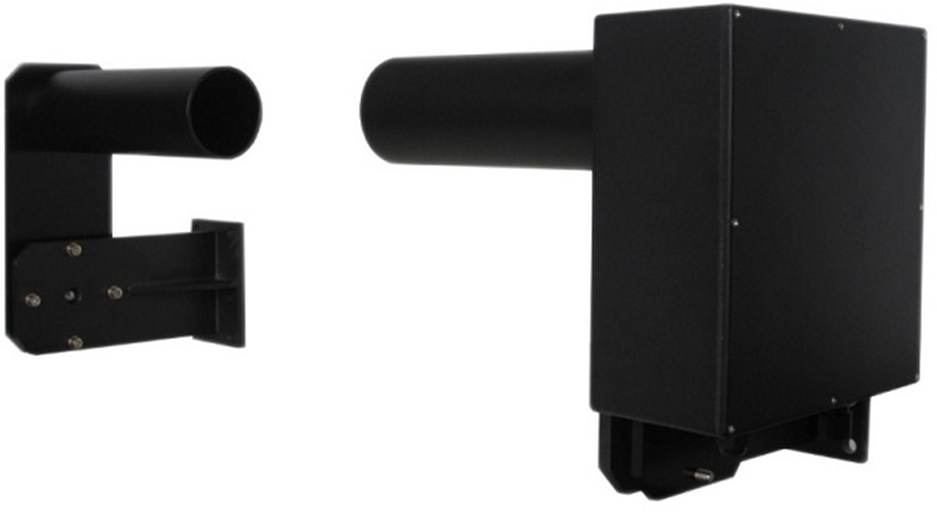
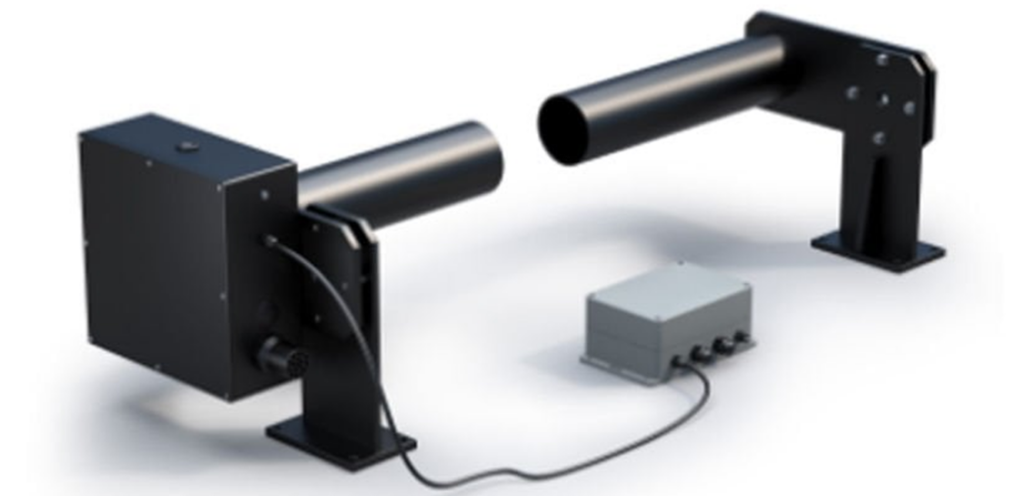
Advanced Optical Measurement: Based on the transmission principle, it performs measurements using a high-focus optical beam transmitter and a reflector positioned on the opposite side. Over a 3-meter physical path, the total 6-meter optical path is traversed by the beam’s round-trip distance, allowing for the most precise processing of beam attenuation caused by dust and particles.
Self-Compensation: The device has an automatic compensation function against the gradual soiling of optical lenses over time. This feature significantly extends maintenance intervals and reduces operational costs while maintaining measurement accuracy even under challenging tunnel conditions.
Resistance to Harsh Conditions: Designed to fully comply with tunnel construction standards, it can be easily mounted on the ceiling or side walls of the tunnel. Its corrosion-resistant and durable body ensures long-term use.
Real-Time Data Communication: By instantly reporting carbon monoxide concentration and visibility distance, it supports the operation of ventilation fans as needed and helps save energy.
The transmission-type tunnel smoke concentration detector operates based on the principle of attenuation of light propagation in the atmosphere. The optical signal is emitted by the transmitter and, after being attenuated under different tunnel atmospheric conditions, is received by the receiver. The optical signal is then processed by the CPU, and the VI and smoke concentration values are measured.

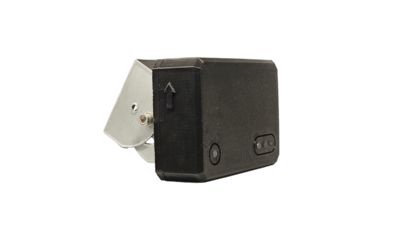
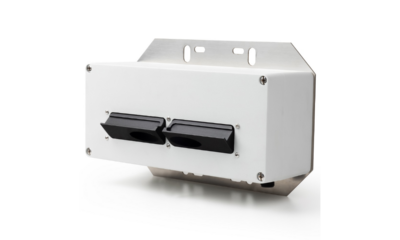
All components: cable, connector, mounting bracket, transmitter-receiver, reflector, and electrical box are factory-installed. The only thing the customer needs to do on-site is install the mounting bracket.


Road and Railway Tunnels

Underground Mines

Covered Parking Areas
Industrial Air Monitoring Systems
| Working Principle | Unit | ||
| Visibility | LED transmittance | Visibility | m-1 |
| CO, NO, NO2 | Electrochemical Cell | CO, NO, NO2 | ppm |
| Measurement Range | Accuracy | ||
| Visibility | 0 – 35 x 10-3 m-1 | Visibility | ±0.002 m-1 |
| CO | 0 – 300 ppm | CO | ±2 ppm or 2% |
| NO | 0 – 30 ppm | NO | ±2 ppm or 2% |
| NO2 | 0 – 10 ppm | NO2 | 100 ppb |
| Optical path | 6-meter optical length (mounting length 3 meters) | ||
| General | |||
| Digital Output | RS485 | Compensation | It has a self-calibration and auto-compensation function. |
| Analog Output | Two-wire 0/4–20 mA output (load < 500 ohms) | Working Conditions | (-55) to (+65)°C, 0-100% RH (non-condensing) |
| Power Unit | 220V ± 15% VAC,50Hz | Power Consumption | Nominal 5 W, Maximum 10 W |
| Protection Class | IP 65 | Weight | 18 kg |